Pune Administration Studies Vehicle Restrictions to Reduce Pollution and Congestion
The Pune district administration is evaluating measures to reduce the number of private vehicles on city roads, aiming to tackle growing traffic congestion and rising air pollution. District Collector Jitendra Dudi clarified that no final decision has been taken yet, following reports suggesting a blanket ban on vehicles older than 15 years.
Speaking about the proposals, Dudi noted that multiple options were discussed during a recent road safety meeting involving various government departments. One approach considered was restricting vehicles older than 15 years from operating within city limits. However, he emphasized that existing court rulings may limit the implementation of an age-based ban.
An alternative measure under consideration involves targeting vehicles that do not comply with Bharat Stage VI (BS-VI) emission standards. Phasing out older, higher-polluting vehicles could help reduce overall emissions while also easing traffic pressure on Pune’s busy roads. Both proposals are currently under review, and the administration is studying their feasibility and legal validity before submitting a formal recommendation to the Maharashtra state government. A decision is expected within the next month.
Legal Backdrop and Emission Standards
Age-based vehicle restrictions have faced legal scrutiny in India before. In 2015, the National Green Tribunal (NGT) had directed that diesel vehicles older than 10 years and petrol vehicles older than 15 years should not operate in Delhi-NCR. However, in August 2025, the Supreme Court ruled that no coercive action should be taken against owners of such vehicles, highlighting that restrictions should focus on actual emissions rather than vehicle age alone.
Bharat Stage (BS) emission norms regulate the level of pollutants from motor vehicles in India. BS-IV standards were implemented nationwide in 2017. India then skipped the intermediate BS-V stage, adopting BS-VI fuel and emission norms in 2020. BS-VI standards significantly reduce sulphur and nitrogen oxide emissions compared to BS-IV, making vehicles compliant with these regulations far cleaner.
Pune’s Proposal and Potential Impact
The Pune RTO is currently compiling detailed data on ageing vehicles to support the proposed measures. If implemented, the plan could impact over 7 lakh vehicles, including roughly 6.83 lakh private vehicles and 46,000 commercial vehicles. Two-wheelers constitute the largest share, with around 5.12 lakh units, many of which are used in both new and pre-owned segments.
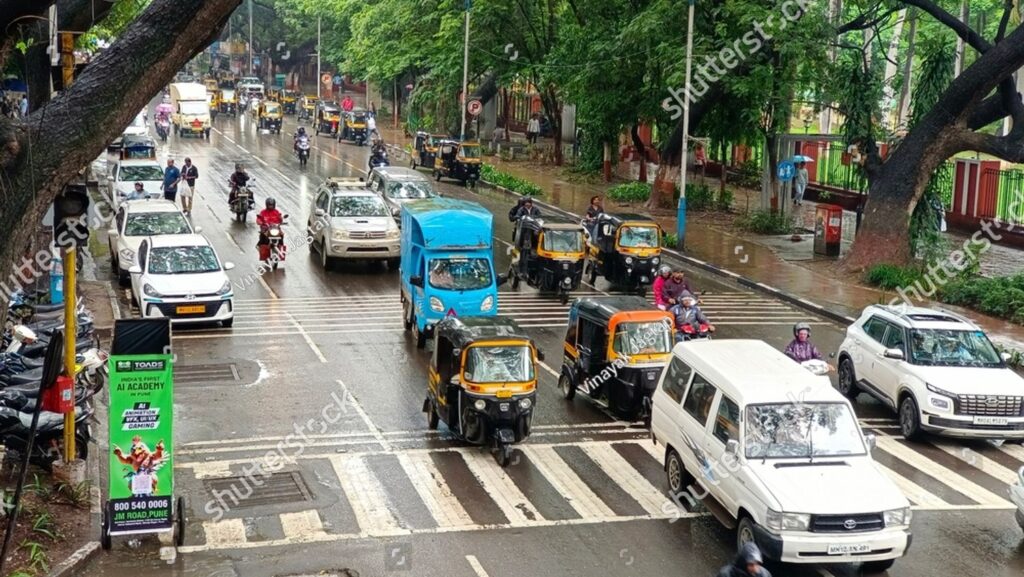
The move is aimed at addressing worsening air quality, rising pollution levels, and increasing traffic congestion in Maharashtra’s second-largest city. The administration is expected to submit a formal proposal to the state government, which will review the plan before any enforcement measures are implemented. Timelines, exemptions, and enforcement strategies will be finalized after approval.
Lessons from Delhi
The proposed Pune restrictions appear influenced by past measures in Delhi. In October 2018, the Supreme Court had imposed a ban on petrol vehicles over 15 years and diesel vehicles over 10 years in Delhi-NCR to curb pollution. Vehicles violating the rule faced deregistration or limited use restrictions, resulting in widespread compliance actions.
However, in August 2025, enforcement was effectively suspended, reflecting the ongoing debate between age-based restrictions and emission-based regulations. Pune’s administration is now weighing similar considerations carefully to balance environmental goals with legal and practical feasibility.